Online scams have become one of the fastest-growing digital threats facing governments worldwide. Citizens are increasingly targeted through phishing websites, fake government portals, SMS fraud, impersonation attacks, and credential theft campaigns.
These scams do more than harm individuals. They create financial losses, undermine confidence in government services, and place growing pressure on agencies responsible for fraud prevention, cybersecurity, and digital transformation.
As governments continue expanding online services for taxes, healthcare, licensing, benefits, and citizen communications, protecting digital trust has become a national priority.
As governments continue expanding online services for taxes, healthcare, licensing, benefits, and citizen communications, protecting digital trust has become a national priority.
Traditional defenses can’t keep up because scam infrastructure is designed to move faster than enforcement teams can respond.
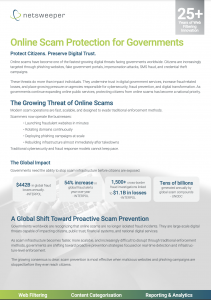
- $442B in global fraud losses annually (INTERPOL)
- 54% increase in global fraud alerts year-over-year (INTERPOL)
- 1,500+ cross-border fraud investigations linked to $1.1B in losses (INTERPOL)
- Tens of billions generated annually by global scam compounds (UNODC)
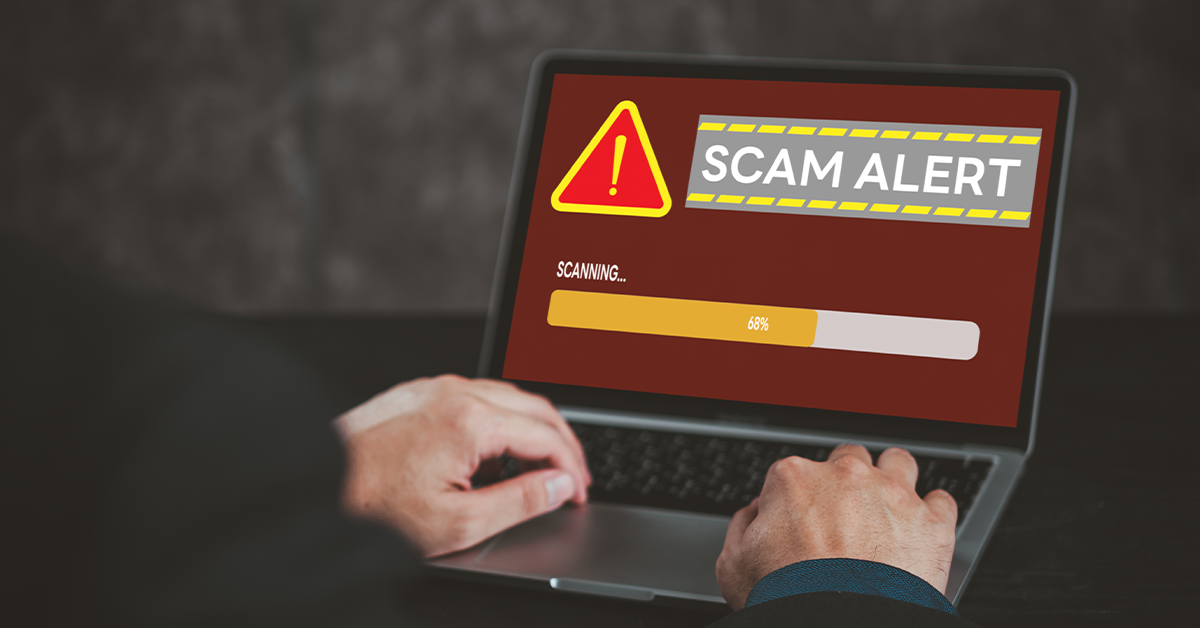
Scam websites can launch, spread, and disappear within hours. By the time traditional systems react, citizens may have already been exposed.
$442B
Why Governments Are Struggling to Stop Online Scams
Most government agencies still rely on reactive enforcement methods that were not built for today’s scam landscape.
These approaches often include:
- Manual reporting workflows
- Website takedown requests
- Static domain blocklists
- Delayed threat intelligence feeds
By the time action is taken:
- Citizens may have already entered sensitive information
- Fraudulent payments may already be completed
- Scammers have often moved to new domains
- Public trust in government platforms may already be damaged
- Government fraud response teams are left managing preventable incidents
Reactive enforcement cannot keep pace with modern scam operations.
How Netsweeper Stops Online Scams
Netsweeper helps governments via telecom operators block scam websites before users can access them.
What Can Governments do to Protect Citizens from Scams at Scale?
Governments need the ability to stop scam websites before citizens can access them.
That requires moving enforcement earlier, at the network and infrastructure level, where malicious domains can be identified and blocked in real time.
Instead of waiting for scams to be reported after damage occurs, governments can proactively prevent access to:
- Fake tax portals
- Fraudulent public service websites
- Identity theft campaigns
- Credential harvesting pages
- SMS phishing destinations
- Financial fraud websites
How Netsweeper Helps Governments Stop Scams in Real Time
Netsweeper enables governments to work with telecom providers and national internet infrastructure partners to block scam websites before they reach citizens.

Real-Time Traffic Analysis
Web requests are analyzed the moment users attempt access.

Instant Blocking
Scam websites, phishing pages, and fraudulent domains are blocked before interaction occurs.

National Threat Response
Protect millions of citizens through centralized enforcement across national networks.

Faster Threat Response
Stop emerging scam campaigns before they scale.
Outcomes for Governments
With the right solution, governments can:
- Reduce citizen exposure to scams
- Prevent large-scale fraud losses
- Preserve trust in digital government services
- Strengthen national cyber resilience
- Improve enforcement efficiency
- Disrupt scam operations faster
Stop Scams Campaigns Before They Spread
Scam infrastructure moves fast. Governments need protection that moves faster. Protect citizens, defend digital services, and stop online scams before they cause financial harm or erode public confidence.